Buy arrows at BSW

Banner

Choosing the Right Arrow: What Really Matters

Whether you're just picking up a bow for the first time or you're a seasoned competitor, the arrow is at the heart of every shot. A well-matched arrow, tuned to your bow, draw length, and shooting discipline, makes the difference between a tight group and an unpredictable flight path. At BogenSportWelt, you'll find a comprehensive range of complete arrows, shafts, and everything you need for arrow making.

Carbon, Aluminum, or Wood: Finding the Right Shaft Material

Shaft material has a significant impact on flight characteristics, durability, and price. Each material has its strengths and suits specific shooting applications.

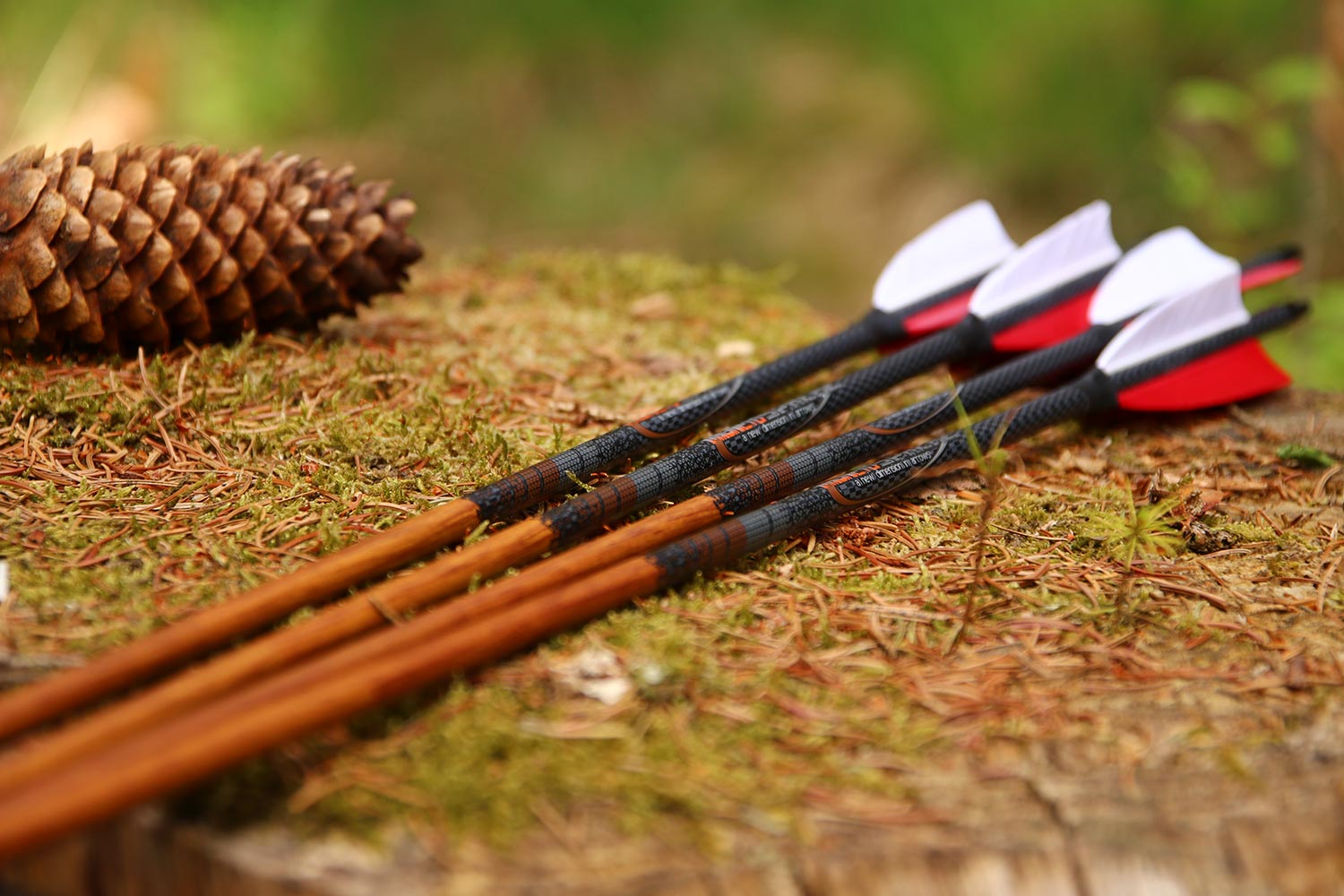
Carbon shafts are the modern standard for dedicated archers across all disciplines. They are extremely light, dimensionally stable, and deliver highly consistent flight. Quality carbon arrows show straightness tolerances of just 0.001 to 0.003 inches, enabling tight, repeatable groups. One thing to keep in mind: if a carbon shaft sustains serious damage, it can splinter. Always inspect each arrow with a quick flex check before shooting to spot any hidden fractures.

Aluminum arrows stand out for their exceptional material consistency and allow very tight groupings at short distances, making them popular in indoor archery. The trade-off is that aluminum bends permanently upon a bad hit. Even the smallest bend affects your impact point significantly, so a bent aluminum shaft should be retired from use.

Wood shafts are the most traditional choice and closely associated with longbow and instinctive shooting. No two wooden shafts are identical, and natural variation in spine and weight is inherent to the material. For WA or FITA competition, carbon or aluminum is the better call, while wood arrows deliver the authentic feel that traditional archers love.

Alu-carbon shafts combine an aluminum core with a carbon wrap, merging the precision of aluminum with the lightness and resilience of carbon. They are the preferred material in Olympic recurve and competitive compound shooting. At around 20 to 30 euros per arrow, they are a high-end investment that pays off for experienced competition archers.

Spine, Draw Length, and Weight: The Technical Essentials

For an arrow to fly accurately, its spine value (stiffness) must match your bow's draw weight and your personal draw length. After release, the shaft momentarily bends under the energy of the bowstring before straightening out during flight. This is known as the Archer's Paradox. If the spine is too stiff or too soft, that correction doesn't happen cleanly and the arrow will fly erratically.

As a general rule, higher draw weight and longer draw length call for a stiffer arrow, meaning a lower spine number. You can find your personal draw length using our draw length calculator and determine the right spine with our spine calculator. Keep in mind that different manufacturers use different spine systems. Easton uses the widely adopted standard system, where a 500 spine indicates medium stiffness. Carbon Express works with its own system where lower numbers mean softer arrows. Always check the manufacturer's charts before comparing shafts from different brands.

Beyond spine, arrow length, shaft diameter, point weight, and fletching all play a role in flight behavior. Arrow weight is measured in grains per inch (GPI). A well-balanced FOC value (Front of Center) positions the center of gravity favorably. Heavier points increase FOC, which can improve stability over longer distances.

Arrow Components: What Makes Up a Bow Arrow

Beyond the shaft itself, three further components have a major influence on flight, accuracy, and use case. Anyone building their own arrows or fine-tuning a setup benefits from understanding their function.

Nock

The nock at the rear of the arrow connects the arrow to the bowstring. The nock throat must match the string's diameter: secure enough to stay in place when nocked, loose enough to release cleanly at the shot. As a rule of thumb, the nock should click on with light resistance and come off with a gentle tug. If needed, the throat can be reshaped slightly using a heat gun. Browse our full selection of nocks in the shop.

Insert, Outsert, and Arrow Point

The insert is a small aluminum sleeve with internal threading that is glued into the hollow carbon shaft. Points are then screwed into this thread, making them easy to swap for different purposes. For very thin shafts with a 4.2 mm inner diameter, outserts are used instead, slipping over the outside of the shaft.

Point choice depends on the application. Field points are versatile for outdoor use and pull easily from wood or soil. Bullet points are the 3D-parcours standard because their cylindrical shape minimizes damage to foam targets. Dedicated 3D points are shaped for easy extraction from foam. Broadheads with fixed or mechanical blades are designed for bowhunting. Find all arrow points and inserts in our components section.

Fletching

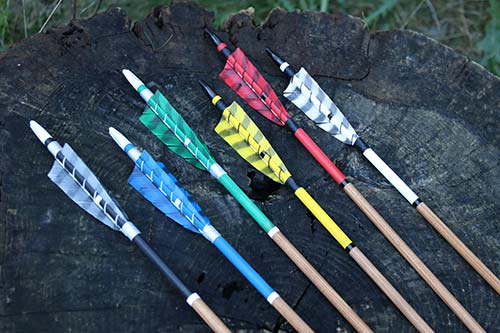
Fletching stabilizes the arrow in flight. Most arrows are fitted with three fletches arranged at 120-degree intervals. The index fletch, often marked in a contrasting color, faces away from the bow when nocked. The choice is between natural feathers and plastic vanes. Natural feathers are the go-to for traditional bows shot off the hand without an arrow rest, as they fold on contact and prevent injury. They are sensitive to moisture, however. Plastic vanes deliver consistent performance in all weather conditions and are standard for sport shooting with recurve and compound bows. Our range of vanes & fletches and natural feathers covers every requirement.

The Right Setup for Every Discipline

Which arrow suits you best depends heavily on your bow type and where you shoot. Here are concise recommendations by discipline.

Recurve sport and indoor shooting (18 m): At short distances, aluminum arrows deliver exceptional groupings thanks to their material consistency. High-quality carbon shafts are an equally strong choice. Plastic vanes and short to medium shaft length complete the setup.

Outdoor and FITA (18 to 90 m): Over long distances, lightness and wind resistance become key. Slim carbon shafts with a small diameter and short vanes perform best here. At Olympic level, alu-carbon shafts combining straightness and speed are the top choice.

3D parcours: Carbon arrows with bullet points are the standard. They are gentle on foam targets, pull out cleanly, and hold up well to field conditions. Slightly longer fletching helps stabilize flight quickly across varied distances.

Traditional and longbow: Wood arrows with natural feathers are part of the experience and are even required by the DFBV for longbow archers. For more consistency, carbon shafts with natural feathers offer the traditional feel with better weather resistance and tighter groups.

Compound bow: Compounds transfer energy very efficiently, making stiffer, thin-diameter carbon shafts (around 4.2 mm) the ideal match. Short, low-profile vanes minimize contact with the arrow rest and complete the high-performance setup.

Tuning Your Setup: Paper Test and Bare Shaft Test

Even the best arrow won't perform at its peak without proper tuning. Two time-tested methods help you dial in your nock point, arrow rest, and spine so that all elements of your setup work together.

The Paper Test

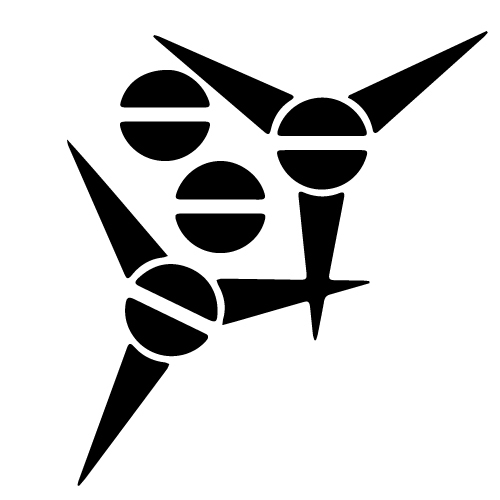
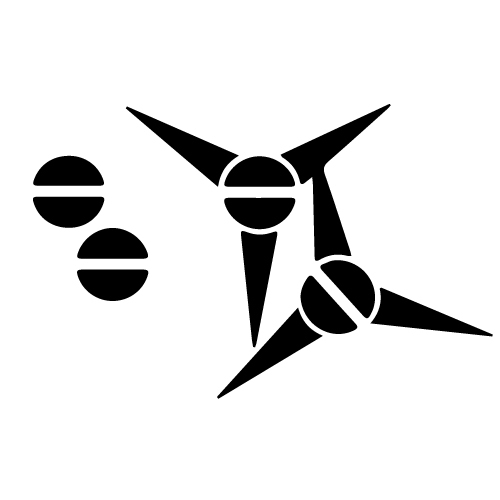
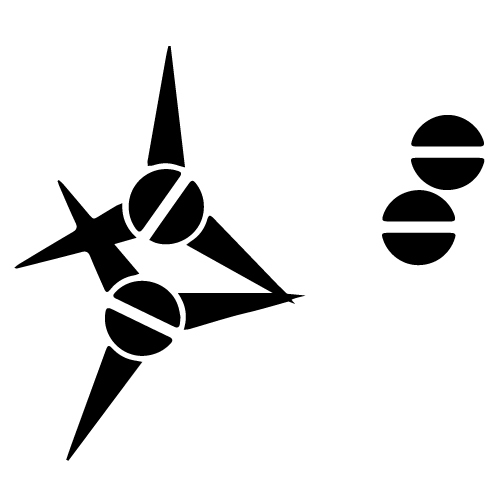
To run a paper test, stretch a sheet of paper (approximately 60 x 60 cm) at shoulder height and shoot through it from about two meters away. The entry hole tells you whether your arrow is flying cleanly. A symmetric hole with three small slits from the fletches is your goal. Any deviation in the tear pattern gives you specific clues about what to adjust.

Paper test - perfect tear

Perfect Tear
No further adjustment needed

Paper test - multiple tear

Multiple Tear
Correct the high tear and left tear

Paper test - left tear

Left Tear
Move arrow rest toward the riser, fix cam lean if needed, use stiffer arrows or reduce draw weight (RH archer)

Paper test - right tear

Right Tear
Move arrow rest away from the riser, fix cam lean if needed, use softer arrows or increase draw weight (RH archer)

Paper test - high tear

High Tear
Move nock point down, move arrow rest up, reduce rest stiffness or shorten arrow length if possible

Paper test - low tear

Low Tear
Move nock point up, move arrow rest down, use heavier point weight or increase draw weight

The Bare Shaft Test

The bare shaft test is the most precise method for matching your arrows to your bow. You compare the grouping of fletched arrows with unfletched shafts that are otherwise identical. When both groups land in the same spot, your tuning is dialed in. If they diverge, the pattern tells you exactly what to change. This process requires patience and a consistent shooting technique, but the payoff is tight groupings and highly repeatable shot behavior.

Bare shaft test - optimal tuning

Optimal Tuning
No further adjustment needed

Bare shaft test - stiff arrow

Stiff Arrow
Use a longer or softer arrow, add heavier point weight, use a shorter plunger button, or increase draw weight

Bare shaft test - weak arrow

Weak Arrow
Shorten the shaft, switch to a stiffer spine, use lighter point weight, use a longer plunger button, or reduce draw weight

Bare shaft test - incorrect nock point

Nock Point Too Low or Too High
Reposition the nock point up or down accordingly and adjust the arrow rest to match

Buy Arrows at BogenSportWelt: From Beginner to Pro

Whether you want to shoot straight away or prefer to build your own arrows from scratch, BogenSportWelt has everything you need. Browse our complete arrows for ready-to-shoot options across all disciplines and draw weights. If you prefer to build your own, explore our shafts and find all tools and supplies under arrow making. Nocks, points, vanes, wraps, and more are available in our components & accessories section. Looking for a deal? Check out our arrows sale. Take your time browsing the full range and find the arrow that fits you and your bow perfectly.